Few ideas in fitness are repeated as confidently, or as wrongly, as the lactic acid myth. For decades, lactic acid has been blamed for the burn during a hard set, the soreness two days later, and the feeling that your muscles are clogged with waste. Almost none of that holds up.
You cannot watch a game or skim a workout app without hearing someone talk about "lactic acid buildup" or the need to "flush the lactic acid out" the morning after training. It sounds scientific. It is mostly folklore. Let's separate what is actually happening in your muscles from the story the fitness industry keeps telling.
What is lactic acid, and what is lactate?
Start with a small but important distinction. When people say lactic acid, what is actually circulating in the body is overwhelmingly lactate. The two are chemically related: lactic acid can donate a hydrogen ion, and when it does, what remains is lactate. At the pH inside your body, that handoff has essentially already happened, so the working molecule is lactate.
Why does this matter? Because the name "lactic acid" carries an implication, that something acidic is pooling in your muscles and poisoning them. That framing is the root of most of the confusion. Lactate is not a toxin. It is produced constantly, even at rest, and your body knows exactly what to do with it.
Where lactate actually comes from
Your muscles make lactate when they break down glucose for fast energy, a process called glycolysis. This ramps up during hard, brief efforts, when demand for energy outpaces what your aerobic system can supply on the spot. Glucose is broken down into a molecule called pyruvate, and when pyruvate is produced faster than your mitochondria can process it, it is converted into lactate.
This is not a failure or a backup plan gone wrong. Converting pyruvate to lactate lets glycolysis keep running and keeps energy flowing during the moments you need it most. Far from being a sign that something has broken, rising lactate is a sign your muscles are working hard and producing energy quickly. If you want the bigger picture of how training drives change in the body, our primer on how exercise works walks through it.
Myth 1: lactic acid causes next-day soreness
This is the big one, and it is wrong. That deep ache you feel a day or two after a tough session is called delayed-onset muscle soreness, or DOMS. Lactic acid does not cause it.
The timing alone gives the myth away. Lactate is cleared from your bloodstream within roughly an hour of finishing exercise. By the time soreness peaks 24 to 48 hours later, there is no lactate left to blame. DOMS is instead linked to mechanical stress and microscopic damage to muscle fibers, particularly from eccentric, or lowering, contractions, followed by an inflammatory repair response. That is a structural and immune process, not a chemical residue you forgot to rinse out.
The myth in one line: if soreness were caused by lactic acid, it would hurt most right after your set, not two mornings later. It does not, because lactate is long gone.
Myth 2: lactate is just metabolic waste
For a long time lactate was treated as a dead-end byproduct. The modern understanding is almost the opposite: lactate is a fuel. Once produced, it can be shuttled to other tissues and burned for energy, including by the heart, the liver, the brain, and other muscles, sometimes the very muscles still working alongside the ones that made it.
In other words, the lactate generated during a hard effort is not garbage waiting to be hauled off. It is a portable energy source your body actively recycles. Understanding lactate and exercise this way reframes the whole conversation: the goal was never to avoid lactate, because lactate is part of how you keep going.
Myth 3: the "burn" is the same thing as soreness
The burning sensation during a long, hard set is real, but it is a separate phenomenon from next-day soreness, and it is not simply lactate. The burn is associated with a temporary rise in hydrogen ions and other metabolites that lower the pH inside the working muscle. It is a here-and-now signal of intense effort, and it fades within minutes of stopping.
Soreness, by contrast, shows up later and lingers. Conflating the two is what lets the lactic acid myth survive: people feel the burn, then feel sore later, and assume one caused the other. They are different events with different causes on different timelines.
What this means for training
If lactate is a normal, useful part of hard effort, the takeaway is not to chase it or fear it, but to train in a way that produces a strong, controlled stimulus without unnecessary risk. Effort matters. Control matters. And being able to see what you actually did matters.
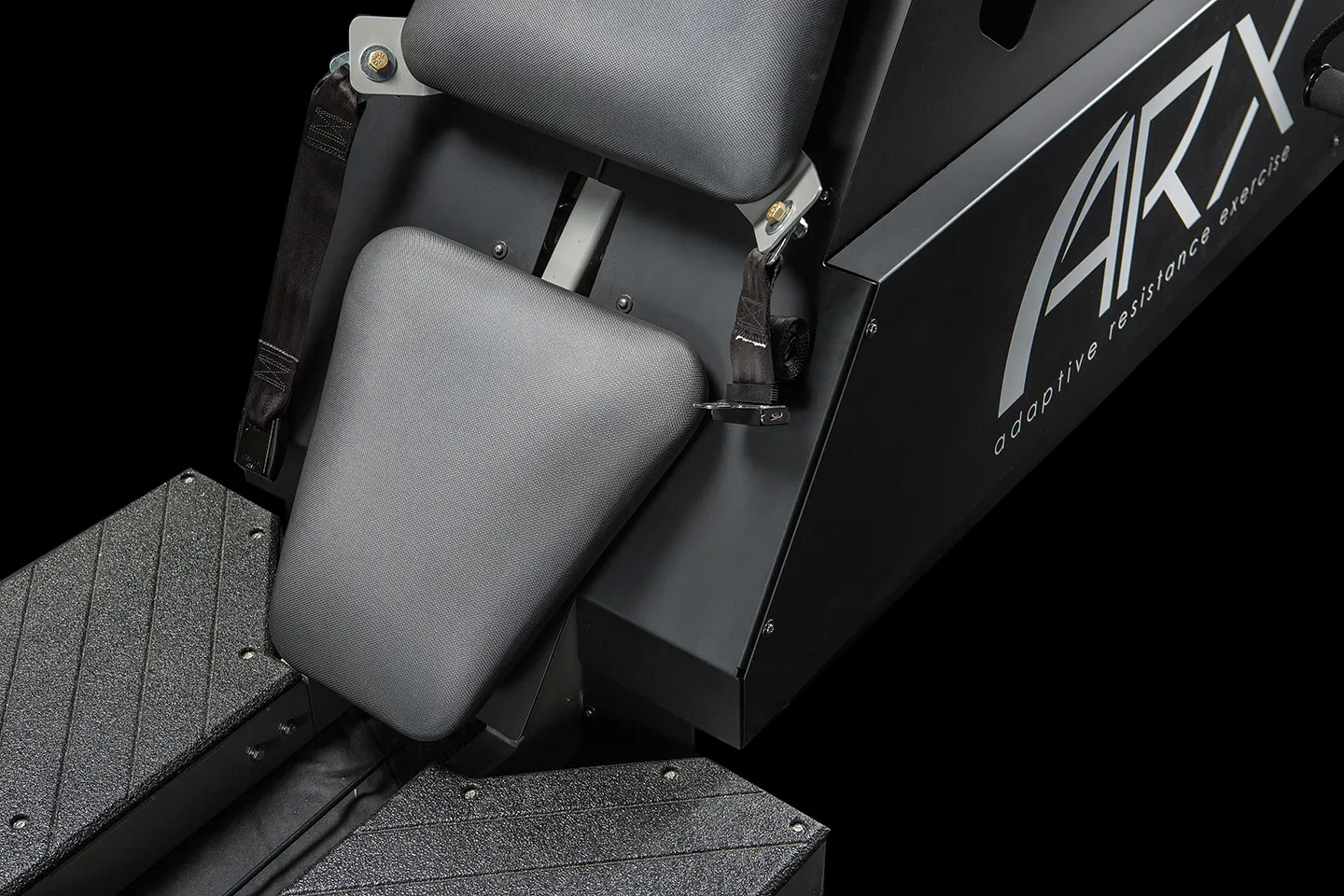
This is where ARX fits in. ARX machines use motorized, computer-controlled adaptive resistance that matches the load to the force you produce through every rep, including the lowering phase, and capture force data on every repetition. There are no weights to drop and the resistance cannot overload a joint, so you can push hard with very low injury risk and a full-body session in about 15 minutes. You get efficient, measurable effort, and a clear record of it, rather than guesswork about whether you "worked the lactic acid." See the ARX machines for how that works in practice. Individual results vary.
The bottom line
Lactic acid is one of the most misunderstood ideas in fitness. The working molecule is lactate, not acid. It does not cause the soreness you feel two days later. It is a fuel your body reuses, not waste to be flushed. And the burn during a set is a separate, short-lived signal of effort. Strip away the myth and the picture is simpler and more reassuring: lactate is a normal sign that you trained hard, not something to fear.
Frequently asked questions
Does lactic acid cause muscle soreness the next day?
No. The lactic acid myth that it causes delayed-onset muscle soreness (DOMS) is false. Lactate is cleared from your blood within roughly an hour after exercise, long before next-day soreness appears. DOMS is linked to mechanical stress and micro-damage to muscle fibers, especially from eccentric (lowering) work, not to lingering lactic acid.
What is lactic acid, really?
In the body, what people call lactic acid mostly exists as lactate. It is produced when your muscles break down glucose for fast energy during hard effort. Rather than a toxic waste product, lactate is a usable fuel that the heart, brain, liver, and other muscles can take up and burn for energy.
Is the burning feeling during exercise caused by lactic acid?
Not directly. The burn during a hard set is associated with the buildup of hydrogen ions and other metabolites that lower muscle pH, not lactate itself. That burning sensation is temporary and fades within minutes of stopping, which is one reason it is different from the soreness you feel a day or two later.
Do I need to flush lactic acid out of my muscles after a workout?
No. There is no leftover lactic acid to flush. Your body clears lactate quickly on its own and reuses much of it as fuel. Light movement, sleep, hydration, and adequate protein support recovery far more than any attempt to drain a substance that is already gone.
See efficient, measurable strength training for yourself
Book a call and feel what controlled, full-body effort with force data on every rep is actually like.
Talk to ARX